


Understanding the Second Volksraad of 1890
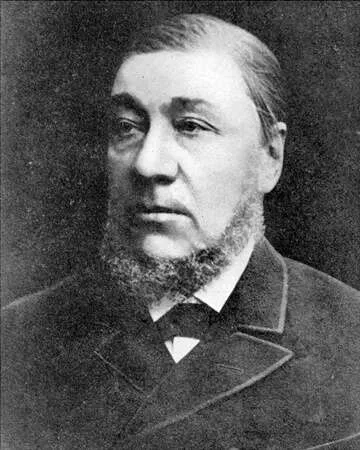
In 1890, the political landscape of the South African Republic, commonly known as the Transvaal, was changing. Faced with increasing tension related to the grievances of the **Uitlanders**—mainly British settlers and other foreign residents—President Paul Kruger took significant steps to address these concerns. The establishment of the **Second Volksraad** marked a pivotal moment in South Africa's political history, as it sought to create a more inclusive form of governance.
The **Second Volksraad** was created to address the dissatisfaction of the Uitlanders, who argued that their lack of voting rights was unjust, especially given their contributions to the local economy. This new voting chamber was tasked with dealing primarily with local issues, and it represented Kruger's attempt to quell unrest and bring a semblance of representation to a growing population of foreign residents.
Paul Kruger and His Vision for Governance
Paul Kruger, a prominent leader and the President of the Transvaal, believed in maintaining the independence of the Boer republic. His initiative for the **Second Volksraad** stemmed from a desire to address the **Uitlander grievances** while safeguarding the interests of the Boer population. This effort was crucial for Kruger, not only from a governance perspective but also to uphold the sovereignty of the Transvaal against British expansionist pressures.
The Structure and Functioning of the Second Volksraad
The **Second Volksraad** was designed to provide a platform where local concerns could be addressed more directly than in the previous government structure. It allowed for a broader political dialogue, although the influence of the **Uitlanders** remained limited overall. The council's authority included significant control over local matters, providing a system where issues could be debated and resolved more effectively, yet still reflecting the predominantly Boer interests.
The Impact of the Second Volksraad
Although the **Second Volksraad** was an attempt at compromise, its establishment did not completely satisfy the Uitlanders. Many felt that the changes were insufficient and continued to push for more extensive voting rights and political power. Kruger's actions, however, laid the groundwork for future negotiations regarding representation and governance in the region.
Responses from the Uitlanders
The response from the **Uitlanders** to the creation of the **Second Volksraad** was mixed. While some appreciated the attempt to engage with their issues, others viewed it as a token gesture that did not confer real rights or power. This dissatisfaction ultimately contributed to escalating tensions between the **Boers** and the British, which would later culminate in the **Second Anglo-Boer War**.
Long-term Consequences of the Second Volksraad
President Kruger's establishment of the **Second Volksraad** was a notable political maneuver aimed at preventing unrest from the Uitlanders. However, its long-term consequences reflected the deeply entrenched divisions within South African society. The issues surrounding representation and rights would continue to dominate the political discourse well into the 20th century, shaping the destiny of South Africa.
Fun Fact
Paul Kruger’s Home Achievements
Paul Kruger was not just a political leader; he also played a significant role in establishing various social and health services for the Boer people during his presidency, showing a commitment to the welfare of his nation amidst political challenges.
Additional Resources
Recommended Reading on Paul Kruger and the Second Volksraad
For those looking to explore this historical event in greater detail, I recommend books such as “The Great Boer War” by Sir Arthur Conan Doyle, which provides insights into the political tensions of the time, and “The Rise of the Afrikanerdom” by Theal, which discusses the socio-political roots of the conflict in South Africa.





 Continue with Google