


Introduction to the Tutankhamun Bust Story
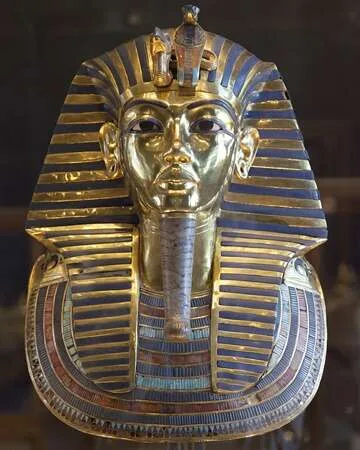
The saga of the Tutankhamun bust takes us into the depths of history, where one of ancient Egypt's most storied pharaohs connects to the modern world of art and commerce. In 2019, a bust believed to portray King Tutankhamun sparked outrage when it was claimed to have been illegally taken from Egypt, just as it was set to be auctioned at Christie's auction house for a staggering $6 million.
The Significance of the Bust of Tutankhamun
This exquisitely crafted bust is not merely an art object; it represents the rich culture and history of ancient Egypt. Tutankhamun, a young pharaoh who ruled during the 18th Dynasty, is perhaps best known for his magnificent tomb, which was discovered in the Valley of the Kings in 1922. The bust, believed to date back to around the 14th century BCE, showcased the artistry of that era and served as a significant proof of Egypt's priceless heritage.
The Controversial Auction
As preparations for the auction commenced, the revelation that the bust may have been stolen sent shockwaves worldwide. Egyptian authorities claimed that the piece had been removed from the country illegally, raising concerns about the ethics of purchasing artifacts with dubious origins. The fierce backlash included calls for international regulations to protect cultural heritage.
The Aftermath of the Auction Controversy
The uproar surrounding the bust's auction created a significant spotlight on the ethics of art dealing and cultural property. Countries like Egypt have been actively striving to reclaim their ancient artifacts, emphasizing the importance of cultural identity and heritage.
Egypt's Fight for Cultural Heritage
Egypt's response to the auction underscores the ongoing struggle against the illicit antiquities trade that has plagued many nations. Egyptian officials argued that returning artifacts like the Tutankhamun bust would help restore the nation's historical narrative and allow for better preservation and display of their ancient culture.
The Role of Art Dealers and Auction Houses
Christie's and similar establishments are frequently at the forefront of this debate. While they aim to bring art to collectors, they also face scrutiny regarding their due diligence in verifying the provenance of items. Accusations of auctioning looted objects have led to calls for greater transparency and accountability in the art market.
Fun Fact
Tutankhamun and His Iconic Legacy
Tutankhamun is popularly referred to as the "Boy King," having ascended to the throne at the age of nine. His reign, although short-lived, left an indelible mark on history, and his artifacts continue to captivate audiences around the globe.
Additional Resources
Recommended Reading on Tutankhamun
For those interested in learning more, we recommend the book The Complete Tutankhamun: The King, the Tomb, the Royal Treasure by Richard H. Wilkinson. This insightful work explores the exceptional finds associated with King Tut and their implications for understanding ancient Egyptian culture.




 Continue with Google