


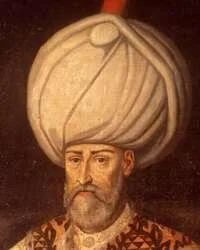
A Historic Peace: The Truce of Constantinople
On August 24, 1533, a significant peace treaty known as the Truce of Constantinople was signed between Ferdinand of Austria and Sultan Suleiman the Magnificent of the Ottoman Empire. This treaty marked a pivotal moment in the complex relations between the Habsburgs in Europe and the Ottomans in the East, highlighting the strategic importance of diplomatic negotiations in maintaining regional stability.
Ferdinand of Austria and the Peace Efforts
Ferdinand I, a member of the Habsburg dynasty, was keenly aware of the threats posed by the expanding Ottoman Empire. His leadership was characterized by efforts to consolidate Habsburg power in Central Europe while fostering peace with neighboring states. By entering into negotiations with Sultan Suleiman, Ferdinand aimed to secure his down interests in Hungary and Transylvania, territories that had been hotly contested.
Sultan Suleiman the Magnificent and His Diplomatic Strategy
Suleiman the Magnificent, known for his military conquests and cultural achievements, also recognized that war could be costly and detract from more prosperous pursuits. The signing of the Truce of Constantinople allowed him to stabilize his western frontier, granting him the opportunity to focus on consolidating his empire and furthering his influence in Europe without the constant threat of war.
Outcomes of the Truce
The Truce of Constantinople not only halted hostilities between the Habsburgs and the Ottomans but also set a precedent for future diplomatic engagements. It emphasized the importance of negotiation over conflict, a lesson that would resonate across Europe in subsequent decades.
Strengthening Alliances through Diplomacy
In the years following the treaty, both Ferdinand and Suleiman sought to strengthen ties with other regional powers. This peace accord provided a temporary reprieve from aggression, allowing both sides to engage in politics and alliances that would reshape the future equilibria across Europe and the Middle East.
Long-term Impacts on European Politics
The truce created ripples across the broader spectrum of European politics. The ensuing calm allowed Ferdinand to focus on internal policies as well as the Habsburg family's ongoing rivalry with France, thus illustrating how one treaty can influence multiple geopolitical dynamics.
Fun Fact
Suleiman the Magnificent: The Lawgiver
Did you know that besides being a formidable military leader, Suleiman is often referred to as Suleiman the Lawgiver due to his extensive legal reforms that accompanied his rule? His impact on law and governance continues to resonate in modern legal systems.
Additional Resources
Recommended Reading on the Ottoman Empire
If you are interested in exploring more about this fascinating period, consider reading The Ottoman Empire: A Short History by Suraiya Faroqhi or The Empire of the Sultans by Gábor Ágoston, which provide insightful details about the era’s complexities and transformations.









 Continue with Google