


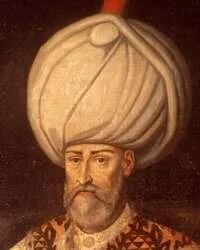
The Historic Treaty of Constantinople in 1562
The Treaty of Constantinople was a significant agreement signed in 1562 between the Holy Roman Emperor Ferdinand I and Sultan Suleiman the Magnificent of the Ottoman Empire. This treaty marked a crucial point in the relationship between these two powerful empires, which had been engaged in a lengthy struggle for dominance in Europe and the Mediterranean region.
After years of warfare, this treaty not only sought to end hostilities but also aimed to establish guidelines for future relations and trade. The signing of the treaty was indicative of Ferdinand's desire to maintain peace and stability within his territories while trying to navigate the complex political landscape dominated by the Ottoman influence.
Ferdinand I and His Vision for Peace
Ferdinand I, who ruled from 1556 to 1564, was committed to seeking stability in the face of Ottoman expansion. Through this treaty, Ferdinand aimed to secure the borders of the Holy Roman Empire and create a safer environment for his subjects. The treaty included provisions to prevent future conflicts and to ensure the rights of merchants traveling between the two empires.
Suleiman the Magnificent: The Ottoman Empire's Zenith
Suleiman the Magnificent, ruling from 1520 to 1566, was at the height of his power during this treaty's signing. Known for his military prowess and administrative reforms, Suleiman's willingness to engage in diplomatic negotiations reflected his interests in maintaining Ottoman prestige while avoiding overextension. The treaty established clearer boundaries and aimed at economic collaboration, benefiting both empires.
The Impact of the Treaty on European Politics
The Treaty of Constantinople was more than just a cessation of hostilities; it reshaped the diplomatic landscape of Europe. By fostering a temporary peace, it allowed other European powers to rethink their alliances and military strategies. The treaty set a precedent for future diplomatic engagements between Christian and Muslim states and influenced the foreign policies of nations in Europe for decades to follow.
The Role of Diplomacy in the Treaty
The Treaty of Constantinople was primarily a product of diplomatic efforts. Both sides recognized that continued conflict could lead to mutual losses, so they sought a negotiated settlement. This marked a pivotal moment in employing diplomacy as a tool for resolution in international relations, highlighting the importance of dialogue between empires, even those in conflict.
Economic Implications of the Treaty
Another critical aspect of the Treaty was the economic implications it had on trade routes. By establishing peace, trade could flourish between the Holy Roman Empire and the Ottoman Empire, enhancing commerce and interaction. This treaty allowed for the stability needed for merchants to travel freely, promoting economic development in both regions.
Fun Fact
Ferdinand I's Interesting Fact
Ferdinand I not only played a key role in the Treaty of Constantinople but was also a pivotal figure in the Counter-Reformation, advocating for Catholic unity amidst rising Protestantism in Europe.
Additional Resources
Recommended Reading on the Treaty of Constantinople
For those interested in exploring more about this historical event, some recommended readings include The Ottoman Empire and Early Modern Europe by Daniel Goffman and The Habsburg Empire: A New History by P. G. M. van Geyzel. These texts provide deeper insights into the political dynamics of the period and the significance of treaties like the one signed in 1562.







 Continue with Google