


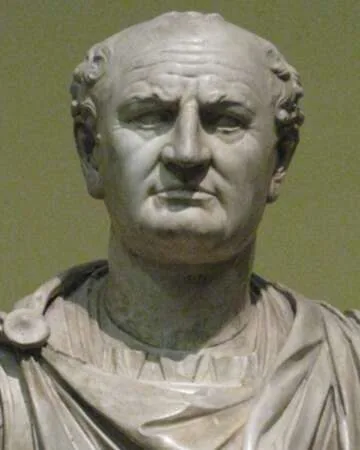
The Rise of Vespasian
In the tumultuous year of 69 AD, known as the Year of the Four Emperors, Roman General Vespasian was proclaimed Emperor by his troops in Egypt. This pivotal moment marked the beginning of a significant chapter in Roman history, amidst the chaos of civil war following the death of Emperor Nero. Vespasian’s rise to power came from his exceptional military leadership and tactical acumen that won him the loyalty of his soldiers.
Vespasian’s Background
Before his proclamation, Vespasian had a notable career in the Roman military and had served under various leaders. A humble beginning in Sabine had shaped him into a resilient and comprehensive military strategist. His prominence grew during campaigns in Judea, where his success significantly enhanced his reputation, laying the groundwork for his later claim to the throne.
The Proclamation in Egypt
Vespasian was declared emperor by his troops in the city of Alexandria, as they sought a stable leader capable of restoring strength and order to the Empire. This proclamation was a crucial act during a period characterized by political instability and fierce power struggles. The support he garnered in Egypt set the stage for further military successes and eventual consolidation of his power across the Empire.
Establishing the Flavian Dynasty
Following his proclamation, Vespasian began the process of stabilizing Rome and restoring its finances. His rule transitioned Rome from civil strife to prosperity through his reforms and authoritarian governance, ultimately establishing the Flavian Dynasty. Vespasian's practical approach to leadership garnered respect, as he prioritized military discipline and economic rejuvenation.
Military Strategies of Vespasian
Vespasian utilized his background as a military leader to implement strategies that effectively quelled uprisings and navigated through external threats, notably the Jewish Revolt. His ability to consolidate military power and ensure loyalty was one of the cornerstones of his successful reign.
Vespasian’s Reforms
Not only did Vespasian secure stability through military might, but he also introduced significant reforms within the Roman financial system. His initiatives to enhance taxation and improve public welfare were essential for restoring Rome’s wealth and infrastructure, demonstrating his multifaceted approach to leadership.
Fun Fact
The Origin of the Phrase "Money from Vespasian"
Vespasian was famous for his tax reforms, particularly the tax on public urinals. When his son Titus questioned the morality of this tax, Vespasian famously held a coin to his nose and said, "Money does not have a smell," leading to the phrase that is still cited today!
Additional Resources
Recommended Reading on Vespasian
For those interested in delving deeper into the life and times of Vespasian, consider reading "Vespasian: The Eclipsed Author" or "The Flavians: An Intimate History". These texts provide a thorough exploration of his life, reign, and the era's broader significance.













 Continue with Google