


The Battle of Fallen Timbers: An Overview
The Battle of Fallen Timbers, fought on August 20, 1794, near present-day Toledo, Ohio, was a decisive conflict in the Northwest Indian War. This clash marked the end of the major resistance against American expansion in the Northwest Territory. It was a culmination of escalating tensions between Native American tribes, influenced by British support, and American settlers moving westward. The battle is named after an area filled with uprooted trees, a consequence of a severe storm that occurred prior to the fight.
The Role of Major General 'Mad Anthony' Wayne
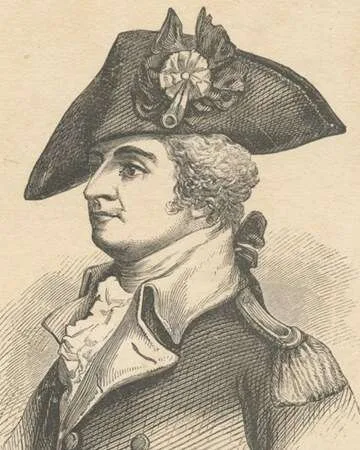
Major General Anthony Wayne, often referred to as 'Mad Anthony' due to his aggressive tactics and fearless nature, led the American forces in this crucial battle. Wayne's leadership was instrumental; he trained his troops rigorously and devised a plan that focused on speed and surprise. His forces, consisting of regular army personnel and militia, engaged in fierce combat against a coalition of British forces and Native American warriors led by leaders such as Blue Jacket of the Shawnee and Buckongahelas of the Delaware tribes.
Strategic Importance of the Battle
The Battle of Fallen Timbers was more than just a military engagement; it was a turning point in the struggle for control over the Northwest Territory. By securing a victory at Fallen Timbers, Wayne demonstrated the effectiveness of the U.S. military and helped establish U.S. sovereignty in the region. The triumph led to the signing of the Treaty of Greenville in 1795, which opened much of present-day Ohio and parts of Indiana to American settlement.
The Aftermath and Its Influence
The aftermath of the Battle of Fallen Timbers had lasting repercussions on both Native American tribes and American settlers. The defeat of the Native forces diminished their power and influence in the Northwest, leading to further territorial losses. In contrast, it instilled a sense of confidence in the fledgling United States, solidifying the resolve to expand westward. This battle illustrated the growing divide between European American settlers and Native Americans, setting the stage for further conflicts.
The Treaty of Greenville and Its Significance
Following the battle, the Treaty of Greenville was signed in 1795, establishing a boundary between Native lands and American territories. This treaty provided peace for a time but also led to the loss of significant lands for Native American tribes. The conditions of the treaty eventually contributed to the further displacement of Native Americans throughout the 19th century.
Legacy of the Battle of Fallen Timbers
The legacy of the Battle of Fallen Timbers remains evident in American history. It showcased the growing military prowess of the United States and the continued push for expansion. This battle is often remembered as a pivotal moment that shifted the balance of power in the Northwest and set a precedent for future conflicts between Native Americans and settlers.
Fun Fact
Did You Know? Major General Wayne's Nickname
Major General Wayne earned the nickname 'Mad Anthony' not just for his bold military tactics, but also for his fiery personality and willingness to engage his enemies head-on in battle, which became legendary among his troops.
Additional Resources
Recommended Reading on the Battle of Fallen Timbers
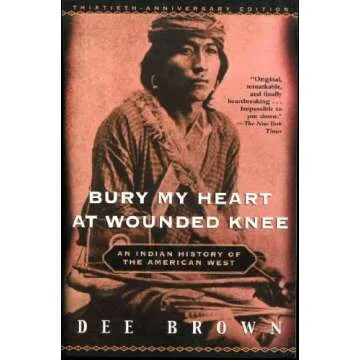
To dive deeper into the history of this significant event, consider reading "The Battle of Fallen Timbers: The American Revolution's Final Battle" or "Wayne's War: The Battle of Fallen Timbers and the Great Lakes". These books provide comprehensive insights into the battle and its impact on American history.






 Continue with Google