


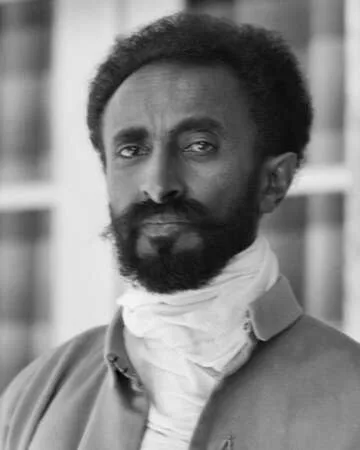
Overview of the Invasion of Ethiopia
The year 1936 marked a critical moment in Ethiopian history as it faced the brutal invasion by Italy under the rule of Benito Mussolini. The Italian military, equipped with modern weaponry and tactics, launched a full-scale assault on Ethiopia, aiming to expand their colonial empire in Africa. This invasion was not only a strategic move but also an attempt to assert Italian dominance over a nation that had remained independent for centuries.
Haile Selassie and His Leadership
Haile Selassie, born in 1892 in Ejersa Goro, Ethiopia, was not only the emperor but also a symbol of resistance against colonialism. His leadership was characterized by efforts to modernize Ethiopia and to unify its diverse population. With the invasion, he faced one of his most significant challenges as a leader, rallying both his military and international support. However, the overwhelming power of the Italian forces forced Selassie to make the painful decision to flee.
The Impact of Haile Selassie’s Escape
As Selassie left Ethiopia amidst the chaos of the invasion, his escape held deep implications for both the Ethiopian people and global perceptions of imperialism. His departure was not just a personal loss but a significant blow to the Ethiopian sovereignty, igniting a sense of nationalism and resistance among his people. This moment also drew international attention to the plight of Ethiopia and the dangers of fascism in Europe.
Global Reactions to the Invasion
The world erupted in response to Italy's aggression against Ethiopia, with various nations condemning the invasion. Although many allied nations were sympathetic, their responses were limited, reflecting the challenges of the geopolitical climate of the time. The League of Nations, founded to maintain international peace, failed to intervene effectively, showcasing its limitations in dealing with acts of aggression.
Haile Selassie as a Symbol of Resistance
Despite being in exile, Haile Selassie emerged as a symbol of resilience. In 1936, he delivered a powerful speech to the League of Nations in Geneva, urging nations to stand against fascism and colonialism. His reputation grew as he articulated the Ethiopian struggle, calling for collective action against oppression, which resonated globally.
Mobilizing Support for Ethiopia
Haile Selassie's plea captured the attention of anti-fascist movements worldwide, encouraging support and solidarity for Ethiopia. Many volunteers and sympathizers came forward to join the Ethiopian cause, reflecting a broader resistance against totalitarian regimes gaining power in Europe.
Fun Fact
Haile Selassie’s Interesting Fact
Did you know that Emperor Haile Selassie is often associated with the Rastafarian movement? His image and legacy have inspired many who view him as a messianic figure, representing freedom and the fight against oppression.
Additional Resources
Recommended Reading on Haile Selassie
For those interested in exploring more about Haile Selassie, consider reading "Haile Selassie: The Wartime Emperor" and "The Life and Times of Haile Selassie". Both provide a deeper insight into his life, leadership, and the tumultuous times faced by Ethiopia during the invasion.











 Continue with Google