


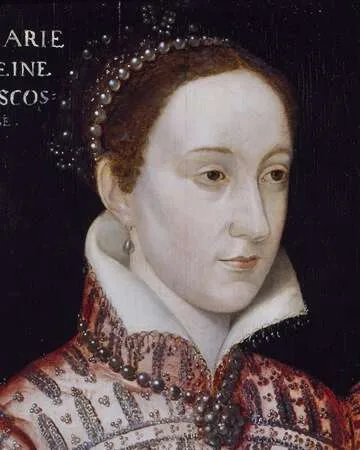
The Arrival of Mary Queen of Scots
On August 19, 1561, Mary Queen of Scots returned to her homeland of Scotland after spending 13 formative years in France. Her arrival in Leith was not merely a homecoming; it was a dramatic reentry into the tumultuous political landscape of Scotland and marked the beginning of her reign. Mary, who had been raised in the French court, arrived with a sense of purpose and responsibility, ready to reclaim her position as queen.
Mary's Journey from France to Scotland
Mary’s early life in France deeply influenced her character and ruling style. She had been the queen consort of France through her marriage to Francis II, and upon his untimely death, she returned to Scotland as a widow. The transition from French courtly life to Scottish monarchy presented unique challenges, as she faced a nation divided along religious lines and fraught with factional disputes.
Political Context of 1561 Scotland
Upon her return, Mary found Scotland still grappling with the aftermath of the Protestant Reformation. The country was rife with tension between Catholics and Protestants, and her own Catholic faith positioned her as a polarizing figure. This political unrest called for not only diplomacy but also astute political maneuvering.
Early Reign and Challenges
Mary’s reign began amidst hopes for unity and peace, yet it soon faced significant challenges. Her leadership style reflected the influence of her French education and the political savvy she developed during her time abroad.
Mary Queen of Scots and the Protestant Causes
From the outset, Mary had to address the Protestant Reformation's effects on her rule. Her efforts to maintain Catholicism in a predominantly Protestant environment created immediate friction. Political allies were scarce, and many viewed her marriage prospects as a solution to secure her position and strengthen ties within Europe.
A Queen's Dilemma: Love and Power
Mary’s choices in marriage further complicated her reign, revealing the delicate balance of love and political strategy. Her eventual marriage to Lord Darnley brought both alliance and strife, ultimately leading to a series of events that would dramatically alter her fate.
Fun Fact
Mary Queen of Scots' Unique Title
Interestingly, Mary was not only the queen of Scotland but also had claims to the English throne, creating a significant connection between two realms. This dual claim would play a pivotal role in her tumultuous life and reign.
Additional Resources
Recommended Reading on Mary Queen of Scots
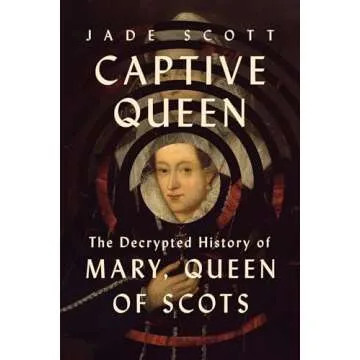
For those interested in delving deeper into the life of this fascinating monarch, consider reading "Mary Queen of Scots: The True Life of Mary Stuart" by Rory C. Turner or "The Wild and Willful Life of Mary Queen of Scots" by Joanna Denny. These works provide thorough insights into her captivating yet tragic story.





 Continue with Google