


Selim III: A Visionary Leader
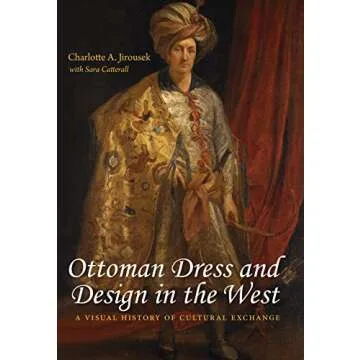
Sultan Selim III, who ruled the Ottoman Empire from 1789 until 1808, is remembered as a significant figure in Turkish history. Aimed at reforming the empire and modernizing its military, Selim III sought to bring new ideas and practices to a declining empire. His reign focused on *cultural innovations*, *military modernization*, and *administrative reforms*. Despite his intentions for progress, Selim faced considerable opposition, ultimately leading to his tragic fate.
The Cultural Impact of Selim III
Selim III was not just a ruler but also a talented poet and composer. His contributions to Turkish music and literature remain influential. He embraced the *musical styles* of the time and promoted artistic endeavors, showcasing his belief that the arts could play a vital role in the empire's renaissance. His passion for culture was evident in the ***Nakhchivani*** style of music, which blended traditional Turkish sounds with Western influences.
Reforms Under Selim III
Sultan Selim III implemented extensive **military reforms** known as the *Nizam-i Cedid*, or New Order. This modernization included the creation of a new military corps trained in modern warfare techniques. Selim’s vision for a reformed and more powerful military was a response to the Ottoman Empire's vulnerabilities and their losses to European powers. These reforms received fierce resistance from traditionalists who felt threatened by change.
The Downfall and Assassination of Selim III
Despite his reformist zeal, Sultan Selim III faced multiple challenges, from internal dissent to military setbacks in wars. The culmination of his struggles led to his deposition in 1808 by a coalition of Janissaries and conservative factions angered by his efforts to innovate. Unfortunately, his efforts met with violence; Selim III was assassinated at the age of 46, marking a tragic chapter in the Ottoman Empire's history.
The Circumstances of Selim III's Death
Selim III's assassination was both a political act and a grim reminder of the resistance faced by reformers. Following his removal, he was allowed to live initially but later met a violent fate. The circumstances surrounding his death highlighted the intense struggle between modernity and tradition within the empire, reflecting the tumultuous nature of his reign.
The Legacy of Selim III
Despite his untimely death, the legacy of Sultan Selim III continues to influence Turkish culture and history. His efforts to reform the military and promote the arts laid the groundwork for future leaders who would attempt similar reforms. Selim's life and contributions remind us of the challenges faced by those who seek change in rigid structures.
Fun Fact
Selim III’s Musical Legacy
One interesting aspect of Sultan Selim III’s life is his passion for music. He is credited with composing several pieces that reflect the stylistic diversity of his time, blending traditional Turkish music with elements from other cultures.
Additional Resources
Recommended Reading on Selim III
For those interested in learning more about Sultan Selim III and his era, I recommend the book "The Ottoman Empire: A Short History" by Irwin and "The Ottoman Centuries: The Rise and Fall of the Turkish Empire" by John M. Belchem. These texts offer insights into the complexities of Ottoman history and the life of Selim III.









 Continue with Google