


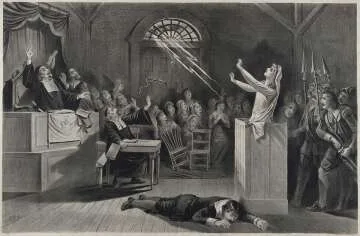
Understanding the Salem Witch Trials
The Salem Witch Trials in 1692 were a dark period in American history where fear and paranoia consumed the small Puritan community in Salem, Massachusetts. The trials were sparked by a series of events that led to the accusation of numerous individuals for witchcraft. Among the most notable victims were George Jacobs, Martha Carrier, George Burroughs, John Proctor, and John Willard, who were all executed by hanging, contributing to the somber legacy of the trials.
Victims of the Trials: The Stories of the Accused
The accused in the Salem Witch Trials often had their lives drastically altered by mere suspicion. George Jacobs was a respected member of the community, but his wealth and estate made him a target among those fearful of witchcraft. Martha Carrier, known for her independent spirit and outspoken ways, was labeled a witch and became one of the first to be hanged. George Burroughs, a former minister, was accused largely based on his previous leadership role and his unconventional ideas, making him a target in these frantic times.
The Role of John Proctor in the Trials
John Proctor, a farmer and tavern keeper, emerged as a leading figure during the trials. He openly opposed the proceedings and even warned others about the danger of the hysteria taking hold of Salem. Proctor's eventual accusation and subsequent hanging were significant events that highlighted the terrifying grip the trials had on the community, underscoring the idea that even the most outspoken against the trials could not escape the dangerous web of suspicion.
The Aftermath of the Trials
The fallout of the Salem Witch Trials was immense, with many lives lost and communities torn apart. The trials underscored the dangers of extremism and superstition, leading to a gradual decline in the hysteria surrounding witchcraft. The people of Salem and beyond began to reflect on the events, questioning the validity of the accusations and the morality of the judicial process.
The End of an Era: Reflections on the Trials
The trials concluded with the realization that the societal fears and the judicial process had gone too far. Many of the judges involved later expressed regret for their actions, leading to reparations for the families of the accused. This period serves as a warning of the perils of mass hysteria and the importance of due process, echoing through generations as we strive to remember this tragic event.
Legacies of the Salem Witch Trials
Today, the Salem Witch Trials are studied as a pivotal moment in American history that reveals the complexities of human behavior under duress. Scholars and activists often refer to this chapter when discussing the themes of injustice and the dangers of scapegoating, as well as the vital need for a fair legal system to protect the innocent.
Fun Fact
The Bewitching Folklore of Salem
One interesting fact about the Salem Witch Trials is the influence they had on local folklore and mythology. To this day, the story of the witch trials captivates audiences, inspiring countless books, movies, and theatrical productions that explore the themes of fear, power, and injustice.
Additional Resources
Recommended Reading on the Salem Witch Trials
For those wanting to delve deeper into the Salem Witch Trials, consider reading "A Delusion of Satan: The Full Story of the Salem Witch Trials" by Frances Hill or "The Crucible" by Arthur Miller, which dramatizes the events and the lingering effects of the trials on American society.







 Continue with Google