


Abel Meeropol: A Prolific Songwriter and Librettist
His Impactful Career
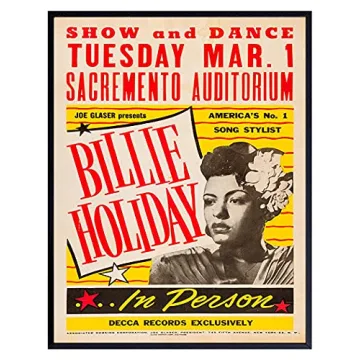
Abel Meeropol, born in 1903, was a remarkable American songwriter and librettist. His most famous work, "Strange Fruit", is a haunting protest against racism and the lynching of African Americans. The song was made popular by Billie Holiday and remains an iconic piece of art that stirred emotions and raised awareness about social injustices.
Able Meeropol's Contributions to Theatre
As a librettist, Meeropol contributed to the world of musical theatre with his work on "The Good Soldier Schweik". This adaptation, based on Jaroslav Hašek's novel, showcased Meeropol's ability to fuse music with thought-provoking narratives, enriching the experience of audiences and leaving a significant mark on the American stage.
Abel Meeropol's Lasting Impact
His Death in 1986
Abel Meeropol passed away on March 30, 1986, at the age of 83. His death marked the end of a rich life dedicated to artistry that challenged societal norms. Even after his passing, Meeropol's works continue to resonate, symbolizing the struggle for equality and justice.
Remembering Abel Meeropol
The legacy of Abel Meeropol is seen in the continued performance and adaptation of his works. The emotional depth and sociopolitical themes in his music and theatre keep his memory alive, inspiring new generations to confront difficult issues through art.
Fun Fact
Abel Meeropol’s Interesting Fact
Abel Meeropol was originally a schoolteacher and started writing songs as a hobby. His groundbreaking song "Strange Fruit" was first recorded in 1939, yet its powerful message still resonates with audiences today.
Additional Resources
Recommended Reading on Abel Meeropol
To learn more about Abel Meeropol, consider reading "Strange Fruit: Billie Holiday, Cafe Society, and an Era of Radical Change" by David Margolick, which explores the song's origins and significance.




 Continue with Google