



The Historical Significance of the Treaty of Crépy
In 1544, a significant historical event unfolded with the signing of the Treaty of Crépy, which marked the conclusion of the Fourth Hapsburg-Valois War. This war primarily involved the Holy Roman Emperor Charles V and French King Francis I. After years of conflict characterized by shifting alliances and extensive military campaigns, both monarchs sought a resolution to the hostilities that had drained their resources and threatened their reigns.
The Treaty of Crépy was crucial not only for restoring peace between the two powers but also for redefining territorial boundaries and diplomatic relations in Europe. The agreement laid the groundwork for future interactions between Spain, France, and the rest of Europe as it sought to balance power between those essential kingdoms.
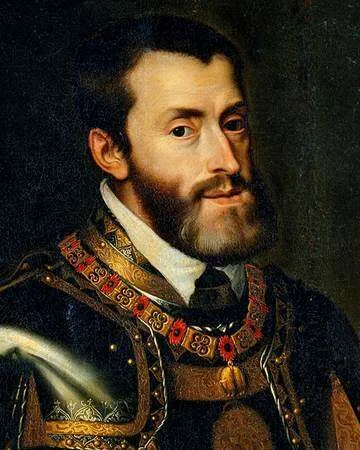
Charles V and Francis I
Emperor Charles V was a formidable ruler who controlled vast territories, including Spain, the Netherlands, and parts of Italy. His ambition to maintain control over his realms often brought him into conflict with the French. Meanwhile, Francis I represented France's aspirations to become a dominant power in Europe. Their rivalry reflected deeper conflicts of interest, national pride, and the desire for territorial expansion.
The Negotiations for Peace
The negotiations leading to the Treaty of Crépy were not straightforward. With both sides fatigued from the war, the prospect of peace was welcomed. The treaty involved complex discussions and compromises, ultimately leading to an agreement that would maintain a fragile peace between the two competing monarchs.
The Aftermath of the Treaty of Crépy
Following the signing of the Treaty of Crépy, both Charles V and Francis I anticipated a period of stability and prosperity. The treaty formalized a ceasefire but also established terms regarding territorial claims and prisoner exchanges, allowing both nations to redirect their focus toward internal stability and governance.
Impact on Future Hapsburg-Valois Relations
Even though the Treaty of Crépy brought temporary peace, it did not end the longstanding rivalry between the Hapsburgs and the Valois. The treaty created a delicate balance of power that, while effective for a time, would be challenged again in subsequent decades as both nations continued to seek dominance over Europe.
Wider European Implications
The Treaty of Crépy had ramifications beyond just France and the Holy Roman Empire. It influenced alliances and enmities among other European powers, setting a precedent for how treaties could be negotiated amidst ongoing conflicts. The treaty's success or failures served as lessons for diplomacy in Europe moving forward.
Fun Fact
The Legacy of the Treaty
Interestingly, the Treaty of Crépy not only ended hostilities but also emphasized the importance of diplomacy, paving the way for future treaties and alliances that acknowledged the changing landscape of European power dynamics.
Additional Resources
Recommended Reading on the Treaty of Crépy
For those interested in a deeper exploration of this event, consider reading “The Hapsburgs: A Very Short Introduction” and “Francis I of France”. These resources provide further insights into the personalities and political intrigues behind the treaty.













 Continue with Google