


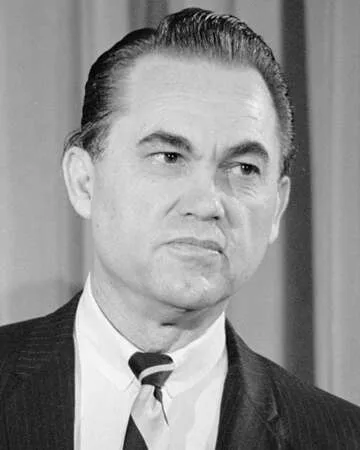
The Final Moments of George Wallace
On September 14, 1998, the world said goodbye to George Wallace, an American politician known for his controversial stance on civil rights. Wallace passed away at the age of 79 due to septic shock, a severe condition that arose following his lengthy battle with health issues. The outpouring of reactions from across the political spectrum highlighted the profound impact Wallace had on American politics.
Wallace's health had been frail after he endured significant medical challenges, including being shot in 1972 while campaigning for the presidency, which left him partially paralyzed. Despite these struggles, he remained a fiery figure in American politics, symbolizing the tensions surrounding race relations in the United States.
The Life and Career of George Wallace
George Wallace was born on August 25, 1919, in Clio, Alabama, diving into the world of politics at a young age. He served multiple terms as the Governor of Alabama and made a notable run for the presidency in 1968 as a third-party candidate. Wallace's notorious slogan, "segregation now, segregation tomorrow, segregation forever," made him a central figure in the opposition to civil rights progress in America.
The Impact of Wallace's Death
Wallace's passing marked the end of an era, opening discussions around his legacy. While many viewed him as a symbol of racism, others recognized his later attempts at reconciliation. His death prompted reflections on the complexities in American history and the ongoing struggles for civil rights.
George Wallace’s Controversial Legacy
Despite his controversial views, Wallace was an influential figure during the civil rights movement, reflecting the stark divisions of his time. His policies and actions brought national attention to the South's resistance to integration and shaped discussions that still resonate to this day.
George Wallace's Ideologies
Wallace's ideologies encapsulated a period of turmoil in American history. His politics were rooted in populism, appealing to many disillusioned voters while simultaneously fueling racial tensions. Much debate exists about the true nature of his beliefs, especially after he shifted his stance later in life.
Legacy After His Death
Following Wallace's death, many sought to understand the full extent of his influence on race relations in America. Educational programs and public discussions aimed to dissect his legacy, showcasing the complex nature of his impact on society.
Fun Fact
Wallace's Five Presidential Runs
In a period marked by political ambition, George Wallace famously ran for the presidency five times, showcasing his enduring presence in American politics despite the shifting views of the electorate.
Additional Resources
Recommended Reading on George Wallace
For those interested in a deeper look into Wallace’s life and ideologies, consider reading “George Wallace: American Populist” or “The Long Shadow of Little Rock” which provide insightful perspectives into his complex legacy.










 Continue with Google